

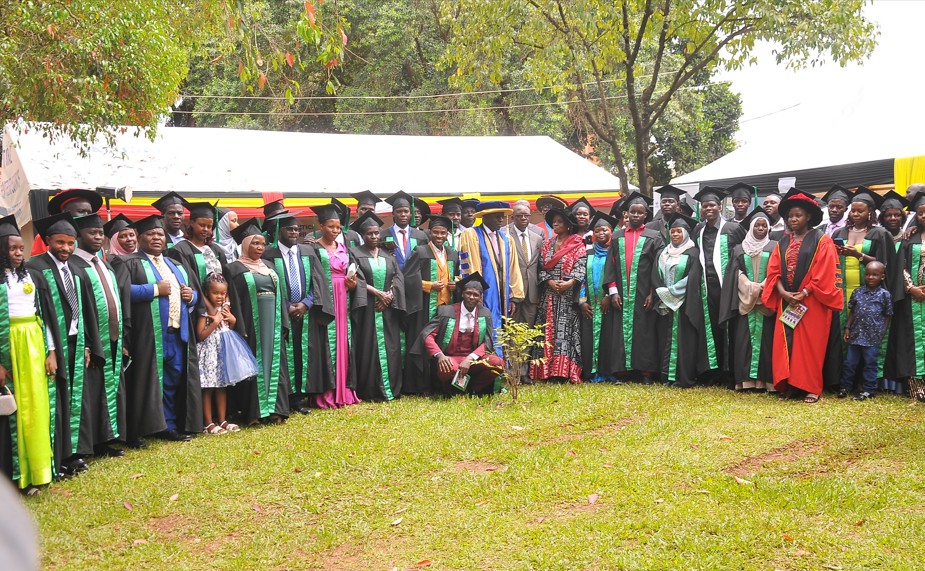
The Natural Chemotherapeutics Research Institute (NCRI) has graduated its third cohort of herbal medicine practitioners as part of ongoing national efforts to professionalize, standardise and modernize traditional medicine in Uganda.
The initiative aims to integrate traditional medicine into the country’s formal healthcare system. Through the program, herbalists are equipped with skills in research methods, formulation, standardization, documentation, and professional ethics, ensuring that natural remedies meet both national and international standards.
According to the Ministry of Health, the training is a strategic intervention toward regulating research and improving the quality and safety of herbal medicines offered to the public.
Representing Minister Margaret Muhanga, Dr. Daniel Kyabayinze, the Director of Public Health at the Ministry of Health, emphasized that trained herbalists differ significantly from traditional cultural healers:
“So even the people who are using herbs to treat are different from the people you are calling witch doctors those are cultural methods, these ones use the leaves and we encourage people to make sure that the training and the way they extract the drugs is hygienic, standardized and can be reproduced so that we preserve for the future generations.”
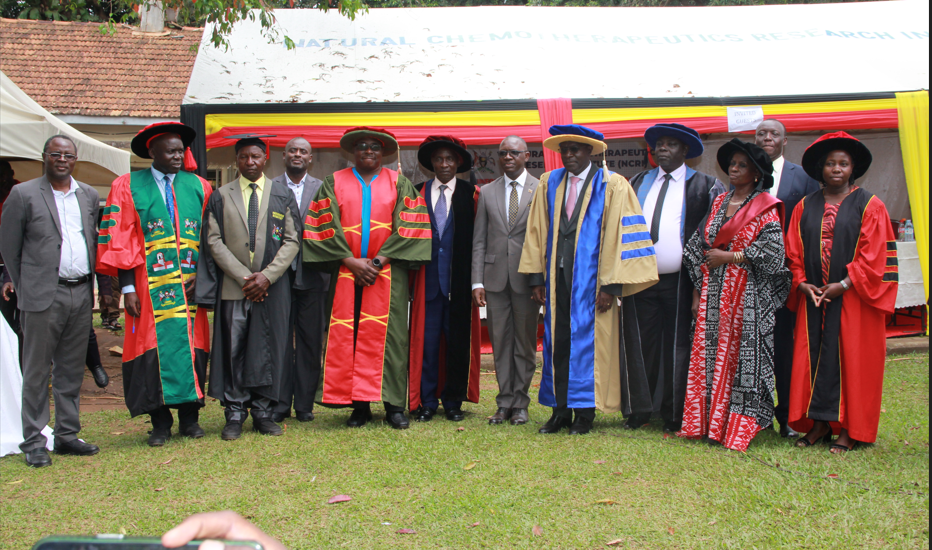
To further professionalize the sector, government continues to invest in research infrastructure and regulatory frameworks. One such investment is the newly established Good Manufacturing Practice (GMP) facility at NCRI, funded by science, technology and innovation office of the president (STI-OP) to support the development of safe and standardized natural therapies.
Speaking on behalf of Minister Monica Musenero, Dr. David Serukka highlighted the importance of this facility:
“Because we have been supporting the natural chemotherapeutics research institute with funding that actually has put up a GMP which means good manufacturing practice facility that will help the scientists who come up with innovations in natural therapies. so that we help them to take their remedies through a process of manufacturing through good practice.”
NCRI officials say the program enhances professionalism among herbalists while bridging the gap between traditional and modern medicine, ultimately improving public access to safe, effective, and standardized treatments.
Dr. Francis Omujal, a senior researcher at NCRI, noted:
“we are training occupational herbalists, professionalizing the practice respecting them and be able to serve the community with better quality products.”
During the ceremony, NCRI Executive Director Dr. Grace Nambatya Kyeyune congratulated the graduates and underscored the importance of their role in preserving and advancing traditional medicine.
“Your graduation today is not merely a celebration of your hard work; it is an affirmation of the critical role herbal medicine plays in our world. You now join the ranks of professionals entrusted with upholding a rich heritage that unites the wisdom of our ancestors with the precision of modern science. Through your efforts, natural medicines will continue to be preserved, standardized, and made accessible to those who need them most.”
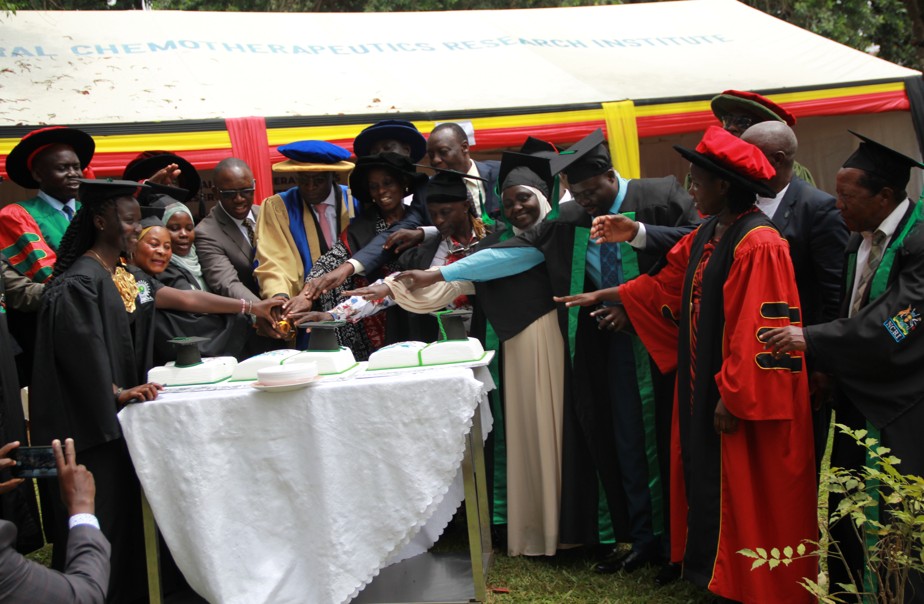
The National Drug Authority (NDA) also reiterated its support for the professionalization of herbal medicine. NDA Board Chairperson, Dr. Medard Bitekyerezo, urged the public to distinguish trained herbalists from negative stereotypes:
“And I have said that these are not witch doctors these ones are not removing anybody’s heads. No, but these people are giving what you call complimentary medicine bearing in mind that most Ugandans before they come to government hospitals, they first go to look for treatment from these local habits.”
Under the Traditional and Complementary Medicine Act, herbalists must undergo formal training before registration. Leaders from herbalist associations have also encouraged the public to drop misconceptions linking herbal practice to witchcraft and instead appreciate its cultural and scientific value.
Jamilu Lutakome, the representative of herbalists on the NDA board, appealed to communities to conserve medicinal plants:
“So, I’m encouraging the public to be able to preserve the herbal plants that we have in our community.”
The graduation marks another step toward elevating traditional medicine in Uganda, ensuring it is practiced safely, professionally, and in alignment with global standards.