

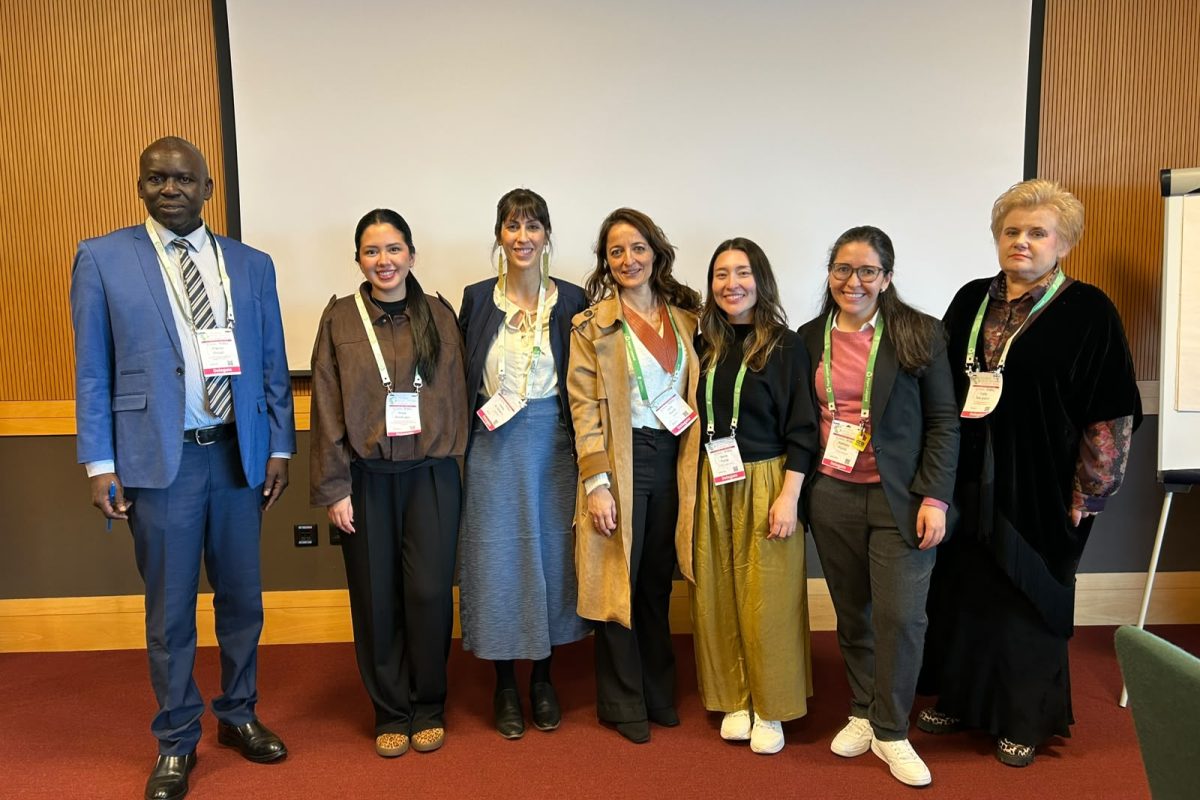
The Natural Chemotherapeutics Research Institute (NCRI) represented Uganda at the Global Bioeconomy Summit 2026, held from 20 to 22 October at the Dublin Convention Centre in Ireland. The Summit was opened by the Prime Minister of Ireland, Micheál Martin where Ireland launched its national Bioeconomy Strategy during the event.
At this summit, Uganda’s experience in developing a community-led Access and Benefit-Sharing (ABS) Model with the Batwa Indigenous Peoples and Local Communities (IPLCs) was shared among policymakers, researchers, industry representatives, innovators, development partners and IPLC representatives.
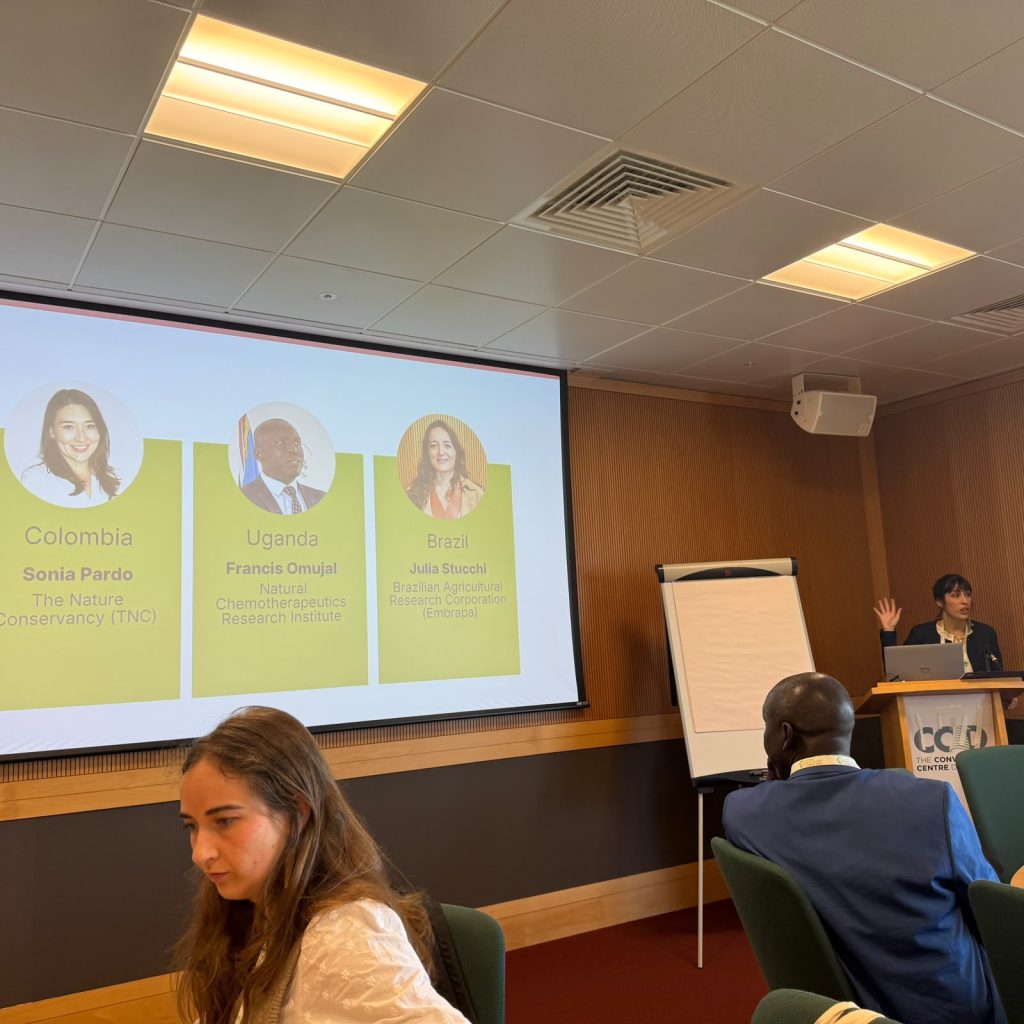
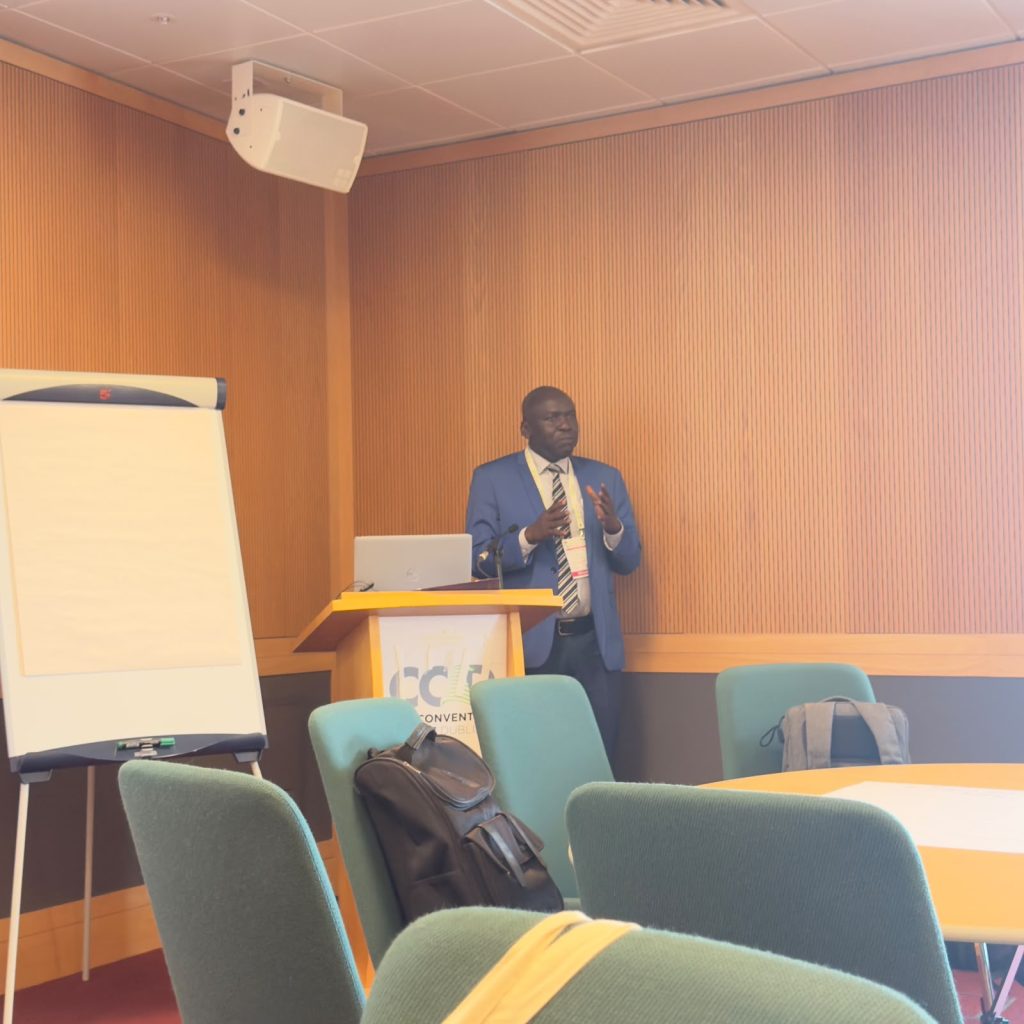
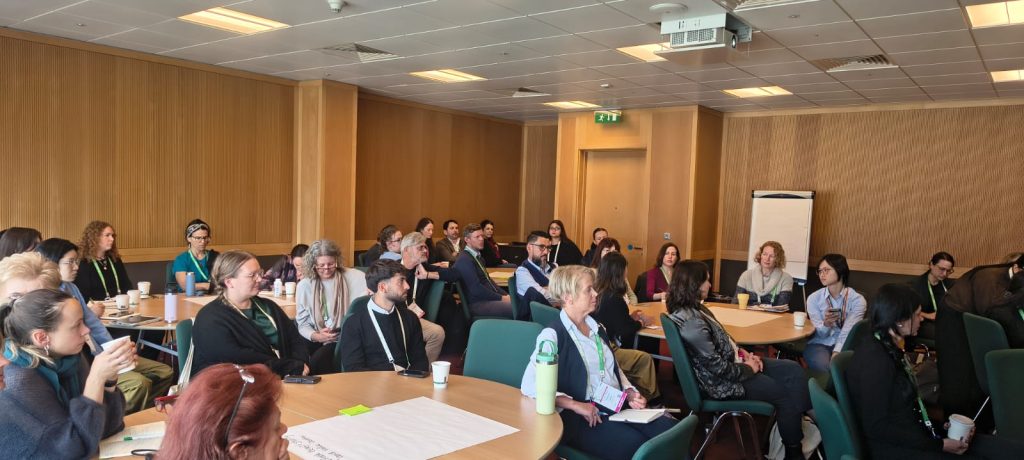
Dr. Francis Omujal, the Acting Executive Director at NCRI presented “Uganda’s Pilot ABS Model at the collaborative workshop titled, People and Biodiversity at the Heart of the Bioeconomy: From Local Territories to Global Impact. The workshop brought 40 participants from more than 10 countries. Dr. Omujal’s presentation was Access and benefit sharing of genetic resources and Traditional knowledge and Value addition: Uganda’s Pilot Community Led ABS pathway with the Batwa. Other presentations included’ From Biodiversity to shared value: lessons from Colombia Amason’ by Sonnia Parde from Nature conservation in Colombia (TNC); Strengthening the bioeconomy innovation and competitiveness in Amazon biodiversity value chains by Julia Franco Stuchi from Brazilian Agricultural Research Corporation (EMBRAPA) and Social Bioeconomy by Joana Oliveira WRI Brasil from Pan-Amazon Network for Bioeconomy, a multisectoral alliance committed to promoting a locally-led sustainable bioeconomy across the Amazonia
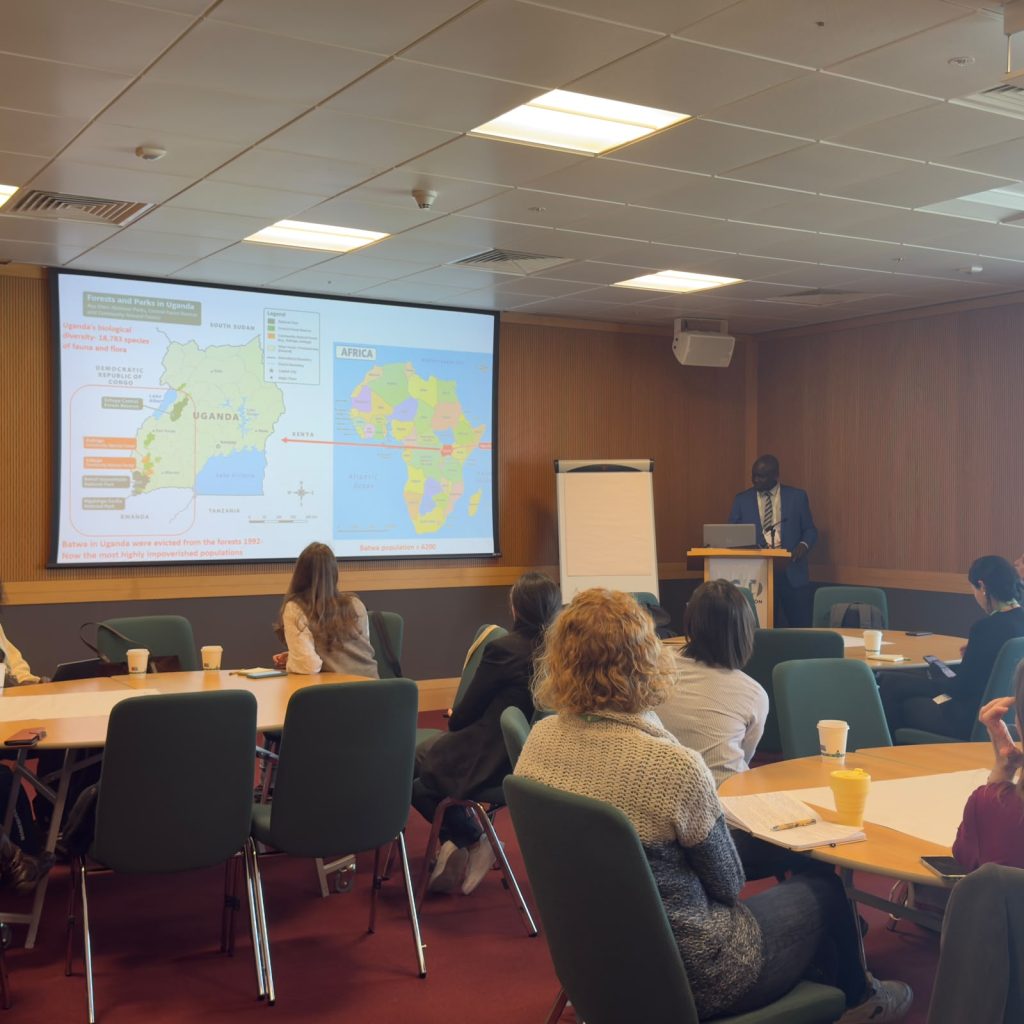
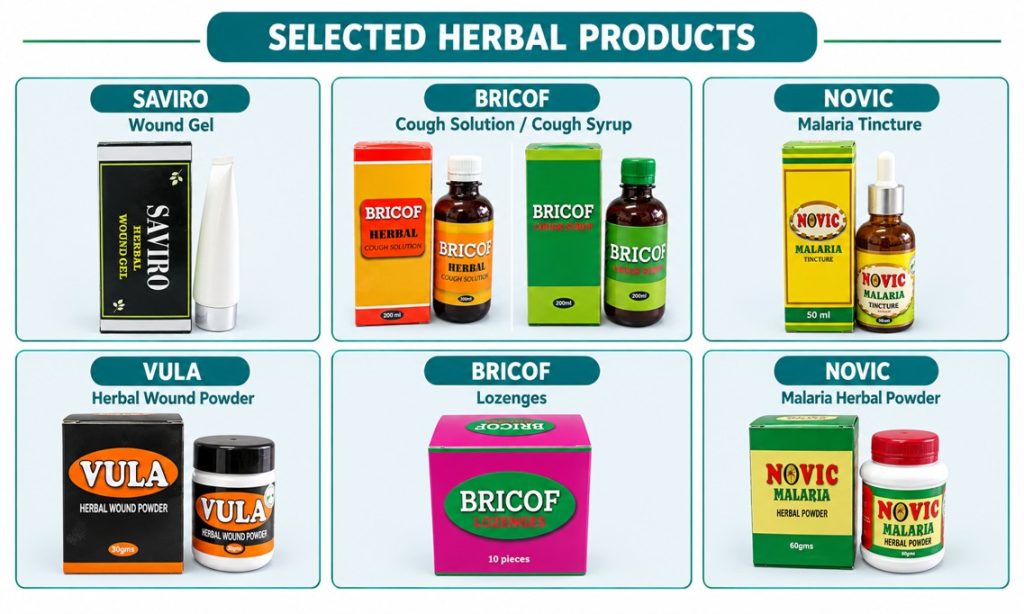
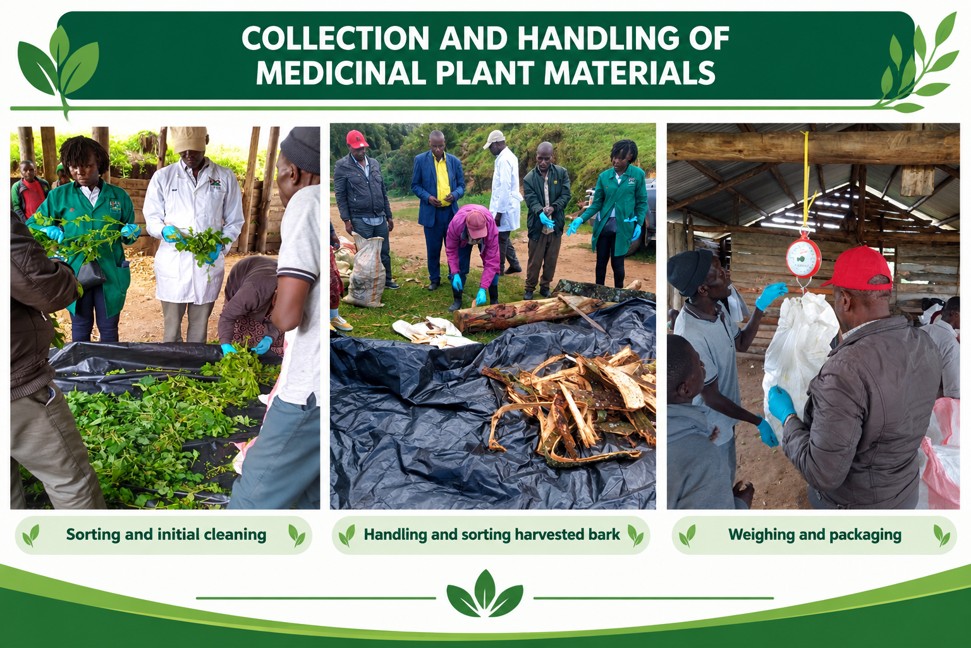
The pilot from Uganda follows the Nagoya Protocol, which requires prior informed consent and mutually agreed terms, and recognises the rights of Batwa IPLCs. Uganda has 18,783 recorded species of fauna and flora. The Batwa, whose population is about 6,200 as per 2014 Uganda National Census, were evicted from the forests they lived in from 1992, and now living with local communities remain among the country’s most impoverished communities. Under the ABS pilot, Batwa IPLCs signed benefit-sharing agreements for access to their medicinal plants with NCRI following signing of community protocol. The agreements provide a monetary benefit of USD 1.25 per kilogram of plant material collected from them, channelled through the United Organisation of the Batwa Development in Uganda (UOBDU), a Non-government Organisation promoting the rights, welfare and development of the Batwa Indigenous People. The plant materials are then processed into medicinal herbal products for wounds, cough and malaria in their various dosage forms including powder, syrup, decoctions, tinctures, lozenges and gel.
Key lessons and calls for action for ABS
- Traditional medicine knowledge can generate benefits for communities and promote conservation of medicinal plants, but existing ABS frameworks have not yet fully delivered them to respective communities.
- ABS approaches should recognise shared knowledge, customary laws and collective rights of various communities.
- While National ABS legislation exists, implementation among IPLCs remains limited, and Many scientists and entrepreneurs also lack awareness of ABS requirements when accessing the resources.
- ABS mechanisms must adapt to emerging technologies like artificial intelligence.
On 22 October, Dr. Omujal visited the Teagasc Food Research Centre at Ashtown that exhibited at the summit. The visit showed how applied research in biomaterials is turned into value-added products. According to Dr. Omujal, this visit was relevant to NCRI work on natural products, traditional medicine and food innovation for health and economic empowerment of people.
NCRI drew several lessons for Uganda at the Summit
- Batwa IPLCs should be recognised as knowledge holders, resource custodians and potential business partners in Bioeconmy.
- Batwa IPLCs Traditional knowledge needs scientific validation, quality assurance and regulatory compliance.
- NCRI and the National Environment Management Authority (NEMA) should support Batwa IPLCs to negotiate equitable benefit sharing agreements for their resources.
- Early-stage financing, research infrastructure and technology transfer from Uganda government or donor partners is needed to move Batwa IPLCs natural product resources to market in Bioeconomy.
Dr. Omujal thanked partners including NEMA for faciliting his participation at the Global Bioeconomy Summit 2026 in Ireland.